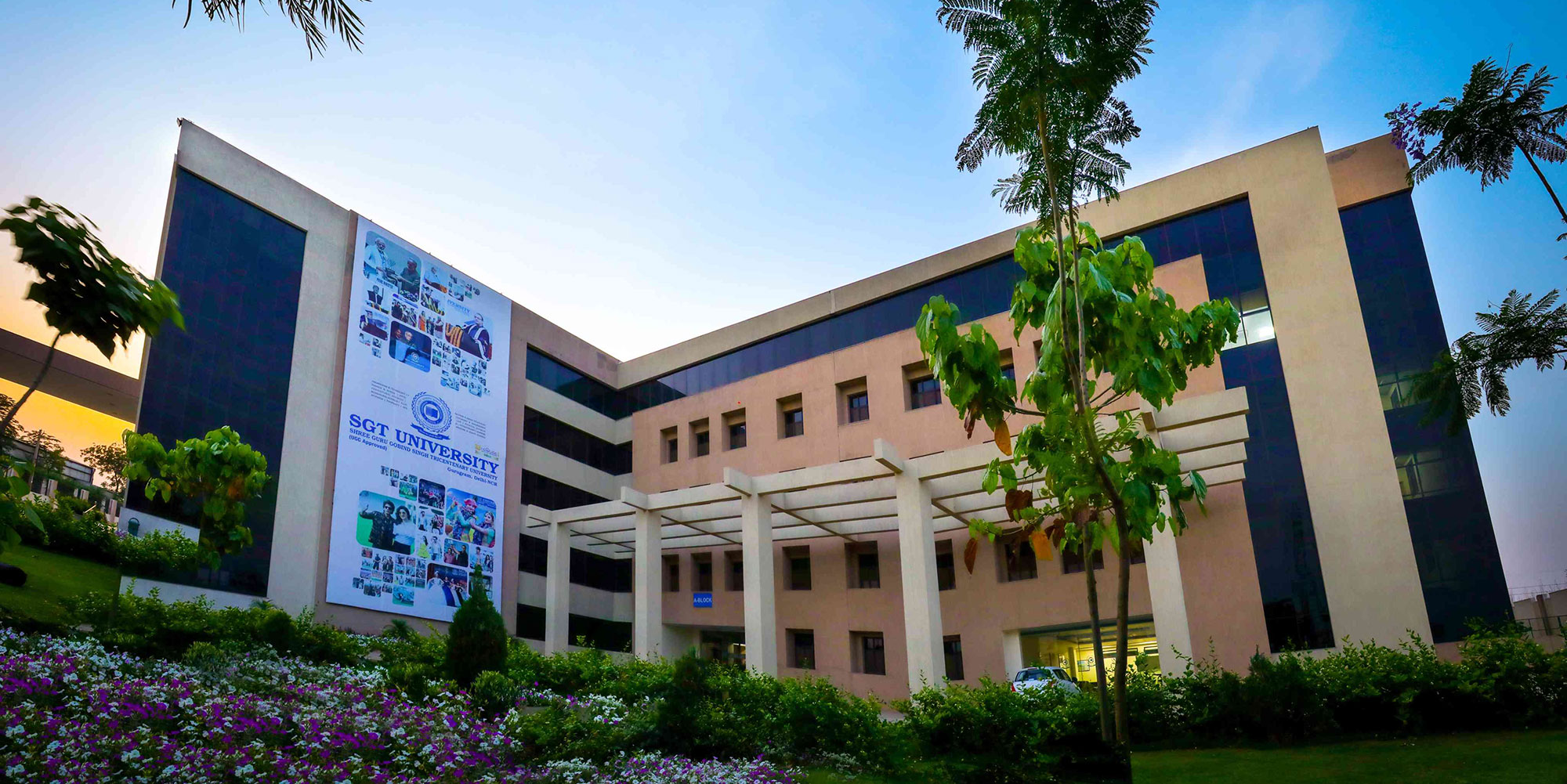

Higher education institutions in India play a key role in shaping the country's academic, professional, and research capabilities. India has one of the largest and most diverse higher education systems in the world, including universities, colleges, and specialised institutions offering programs in arts, science, business, engineering, medical, law, and management.
Understanding how higher education institutions in India function requires clarity about regulatory frameworks and governing bodies. This blog explains the structure of higher education in India, types of institutions, the importance of UGC recognition and NAAC accreditation, and how students can make informed academic choices.
Table of Contents
- What Are the Higher Education Institutions in India?
- Overview of the Higher Education System in India
- Types of Higher Education Institutions in India
- Universities and Colleges in India: Institutional Structure
- UGC Recognized Universities in India
- Importance of NAAC Accreditation for Universities
- Government vs Private Universities in India
- Indian Higher Education: Growth & Reform
- How to Choose a Higher Education Institution
- Conclusion
- FAQs
What Are the Higher Education Institutions in India?
The organisations that provide education beyond the secondary level are known as higher education Institutions in India. These reputed institutions are primarily responsible for research, innovation, teaching, and skill development programs, and they offer UG, PG, PhD, and professional degree programs. Higher Education Institutions play an important role in providing employment opportunities to aspiring students, a platform for learning-by-doing experience, and entrepreneurship opportunities as well. These institutions are regulated to ensure the quality, uniformity, and national recognition of degrees.
Overview of the Higher Education System in India
The Indian higher education system supports diverse academic pathways to meet different learning needs, including:
- Undergraduate education
- Postgraduate education
- Doctoral and research programs
- Professional and technical education
- Distance and online learning
Types of Higher Education Institutions in India
- State Universities: State universities are created through state legislation and primarily serve regional educational needs. Many universities and colleges in India are affiliated with state universities.
- Central Universities: Central Universities are generally funded by the central government and established under the Acts of Parliament. The university mainly focuses on research, national-level academic standards, and interdisciplinary education.
- Deemed Universities: Deemed-to-be universities are institutions recognized for academic excellence and granted autonomy under UGC regulations. These higher education institutions in India can design their own curricula and evaluation systems.
- Private Universities: Private universities are established by state acts and funded by private entities. They function within the same regulatory framework as public institutions. Examples of private universities in India include SGT University (Haryana), Amity University, and Manipal Academy of Higher Education, among others.
- Institutes of National Importance: Institutes such as IITs, IIMs, and AIIMS are recognized for their strategic role in national development and specialized education.
- Autonomous Colleges: These colleges are affiliated with universities but have the authority to design syllabi and conduct examinations independently.
Universities and Colleges in India: Institutional Structure
Universities and colleges in India serve complementary roles within the higher education ecosystem.
- Universities primarily act as degree-awarding bodies and oversee academic standards.
- Colleges primarily deliver undergraduate and postgraduate instruction and may be affiliated or autonomous.
For example, universities, such as SGT University, are degree-awarding higher education institutions in India, whereas affiliated and autonomous colleges operate inside university structures. In India, universities mainly focus on awarding degrees and overseeing academic standards, whereas colleges can offer both UG and PG education and can be affiliated or autonomous.
UGC Recognized Universities in India
The University Grants Commission (UGC) is the primary regulatory authority responsible for maintaining academic standards. UGC recognized universities in India are authorized to award degrees under Indian law.
UGC recognized universities in India include central universities, state universities, deemed universities, and private universities that meet statutory requirements. UGC recognized universities in India also include private institutions such as SGT University, provided they comply with regulatory norms. Verifying UGC recognition is essential to ensure degree validity and academic credibility.
Importance of NAAC Accreditation for Universities
Curriculum designing, teaching-learning procedures, research, infrastructure, governance, and student assistance are all considered while evaluating an institution's excellence for NAAC accreditation. Accreditation helps students assess the academic environment of higher education institutions in India without implying rankings or superiority.
Government vs Private Universities in India
| Aspect | Government Universities | Private Universities |
|---|---|---|
| Funding Source | Funded by the Central Government or respective State Governments, ensuring public financial support and subsidized education. | Funded by private trusts, foundations, or organizations, with financial independence from direct government funding. |
| Fee Structure | Generally lower tuition fees due to government subsidies, making education more affordable for a larger section of students. | Fee structure varies by institution and program, often higher due to private funding and infrastructure investments. |
| Admission Process | Admissions are highly competitive and usually based on national or state-level entrance examinations and merit lists. | Admissions are generally merit-based, following institutional criteria such as entrance tests, interviews, or academic performance. |
| Infrastructure | Established campuses with traditional academic infrastructure, including libraries, laboratories, and lecture halls. | Often equipped with modern, industry-oriented infrastructure, smart classrooms, advanced labs, and contemporary learning facilities. |
| Academic Flexibility | Follows a structured and standardized curriculum as prescribed by regulatory authorities and academic councils. | Offers greater academic flexibility with innovative programs, interdisciplinary courses, and industry-aligned curricula. |
| Regulatory Oversight | Regulated by the University Grants Commission (UGC) along with other statutory bodies to maintain academic standards. | Also regulated by the University Grants Commission (UGC) and relevant statutory bodies to ensure compliance with national norms. |
| Degree Validity | Degrees awarded are fully recognized and accepted nationally and internationally. | Degrees are fully recognized and valid provided the university is approved by the UGC. |
Indian Higher Education: A Journey of Growth and Reform
Increased enrollment and policy reforms have all contributed to the rapid expansion of the Indian higher education sector. Multidisciplinary education, skill-based learning, research innovation, and digital education are the growth areas. Higher education institutions in India are tackling national development concerns while adapting to international academic norms.
Factors to Consider While Choosing a University
Evaluating the factors to consider while choosing a university is critical for academic success. Key considerations include:
- UGC recognition and accreditation status
- Academic programs and specializations
- Faculty expertise and research focus
- Infrastructure and learning resources
- Institutional governance
- Location and accessibility
How to Choose a Higher Education Institution
Choosing a higher education institution involves aligning personal goals with institutional offerings. Students need to:
- Identify academic and career goals
- Verify UGC recognition
- Check NAAC accreditation
- Compare infrastructure and faculty
- Evaluate academic culture
Conclusion
The above blogs help students understand the structure and regulation of higher education in India, empowering them to make informed choices. By evaluating institutions based on recognition, accreditation, and educational value, students can select the right path and lay a strong foundation for long-term academic and career success.
Also Read: SGT University Admissions Open 2026-2027 – Secure Your Seat Now!
FAQs
What are higher education institutions in India?
They are colleges and universities that offer education after secondary school.
Is UGC recognition important?
Yes, it ensures degree validity and national recognition.
Is NAAC accreditation mandatory for universities in India?
In India, there are many higher education institutions, including Central, State, Deemed, Private, Institutes of national importance, and autonomous colleges.
How many types of higher education institutions exist in India?
Yes, it ensures degree validity and national recognition.
Are private universities recognised in India?
Yes, private universities approved by UGC are legally recognised.
Confused About Choosing the Right Course or Career?
Get expert academic guidance and explore the best undergraduate and postgraduate programs in medical, engineering, management, law, design, and more. Take the right step towards a successful future today.