
If you're planning to pursue a PhD, one of the first questions that probably comes to mind is whether the degree will be recognised and valued across India. This is especially common when considering a private university. Many aspiring researchers wonder whether a PhD from a private institution carries the same academic and professional value as one from a government university.
The answer depends on one key factor: UGC recognition. In India, any university that is recognised by the University Grants Commission (UGC) and follows its doctoral regulations can award PhD degrees that are valid for higher education, academic careers, research positions, and government employment.
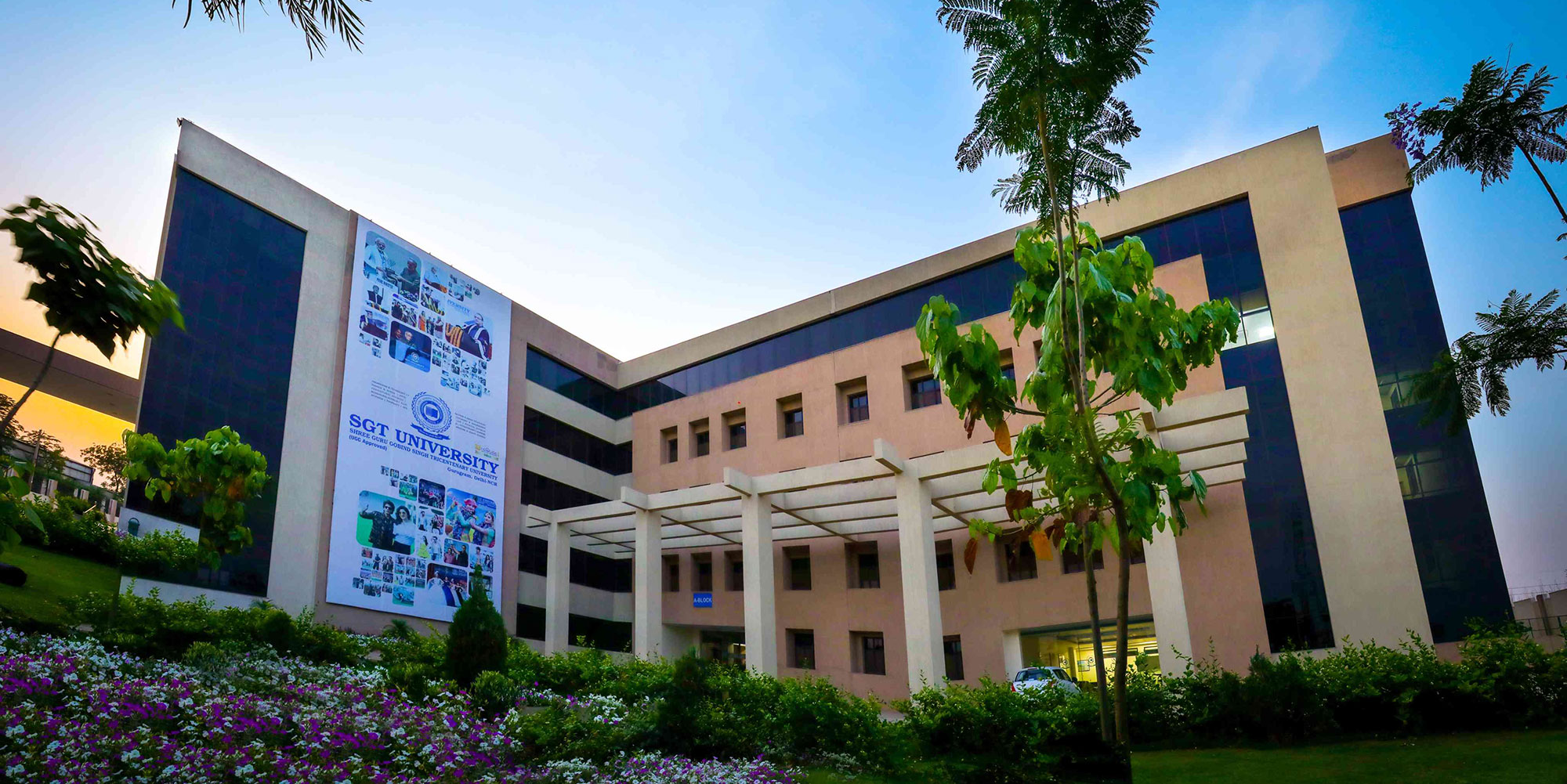
SGT University is one such institution. Established under a State Act and recognised by the UGC, the university conducts its PhD programmes in accordance with the latest UGC regulations. In this blog, we'll look at the university's recognition, doctoral admission process, research ecosystem, and why its PhD degree is valid and accepted across India.
Table of contents:
- Is SGT University's PhD UGC-Recognised?
- What Makes SGT's PhD Programme UGC-Compliant?
- How Can You Verify SGT University's Approval Status?
- Why Does SGT's NAAC A+ Grade Matter?
- What Are the Career Outcomes for SGT PhD Scholars?
- Why Choose SGT University for Your Doctorate?
- Conclusion
- Frequently Asked Questions (FAQs)
Is SGT University's PhD UGC-Recognised?
Yes. SGT University, Shree Guru Gobind Singh Tricentenary University, established in 2013 in Gurugram, Haryana, is established under a State Act and holds full UGC recognition under Section 2(f) Certificate. That means its PhD degrees are legally valid for employment, teaching eligibility, and further academic study across India. Depending on the discipline, SGT's programmes also carry approvals from AICTE, the Pharmacy Council of India, the Dental Council of India, the Indian Nursing Council, the Bar Council of India, and the National Medical Commission, which are relevant if you're pursuing research in pharmacy, dentistry, nursing, or medicine.
What Makes SGT's PhD Programme UGC-Compliant?
SGT University's doctoral programme follows the UGC's 2026 guidelines through:
- Research Entrance Test (RET) required for admission, with exemptions for candidates holding NET/JRF, GATE, CSIR-NET, or SLET
- Mandatory pre-registration in research methodology before full PhD registration
- Periodic progress reviews conducted by the Research Degree Committee (RDC)
- External expert evaluation of the thesis before the final submission
- Twice-yearly admission cycles, rather than a single annual intake
- No online or distance-mode PhDs in line with UGC rules that apply to every university, public or private
How Can You Verify SGT's Approval Status?
To check the Approval Status, visit the official UGC website, click on Search HEI, and search for SGT University to confirm current recognition.
Click here: https://www.ugc.gov.in/
Why Does SGT's NAAC A+ Grade Matter?
SGT University's achievement of A+ accreditation from NAAC is evidence of its relentless pursuit of excellence. That grade reflects real infrastructure: modern labs, an in-house teaching SGT Hospital, and active faculty research output. The university also emphasizes direct mentoring for doctoral scholars, particularly in clinical and health sciences, providing guidance throughout the research process to support high-quality academic and scientific outcomes.
What Are the Career Outcomes for SGT PhD Scholars?
Because SGT is UGC-recognised and its PhD programme adheres to UGC norms for admission, coursework, and evaluation, the degree is accepted by government bodies, State PSCs, and academic institutions on equal terms with public university PhDs. SGT's location in Gurugram also gives scholars practical access to corporate R&D partners, funded projects, and collaborative research opportunities, which matter as much as the degree itself when building a research career.
Why Choose SGT University for Your Doctorate?
For PhD validity, do make sure of these things before you join:
- Check the teacher-to-student ratio.
- Check the research papers written by teachers.
- Make sure coursework timelines are clear.
- Ensure entrance tests are fair and clear.
SGT's specialised research groups and dedicated clinical infrastructure are built specifically around close, one-on-one mentoring, the kind of setup that tends to produce faster, better-supported research outcomes than a high-volume, low-supervision programme. Tough admissions steps ensure your degree meets high standards. Choosing a supportive environment ensures your journey is rewarding.
Conclusion
SGT University’s PhD programme is fully recognised by the UGC, accredited with an NAAC A+ grade, and conducted in compliance with the latest UGC doctoral regulations. With a dedicated campus, the university’s own multi-specialty hospital, strong faculty guidance, and accessible research facilities, the university provides a supportive and research-focused environment for scholars beginning their PhD journey in 2026.
Frequently Asked Questions (FAQs)
Q.1 Is a PhD from SGT University valid for UGC-NET or teaching eligibility?
Yes. SGT's Section 2(f) recognition and UGC-compliant PhD process make the degree valid for NET exemption and teaching eligibility.
Q.2 Is SGT University UGC- and AICTE-approved?
Yes. SGT University is UGC-recognised and, for relevant programmes, also approved by AICTE, PCI, DCI, INC, and NMC.
Q.3 What is SGT University's NAAC grade?
SGT University holds an NAAC A+ accreditation.
Q.4 Does SGT University have well-equipped labs?
Yes, SGT University boasts state-of-the-art teaching and research facilities in well-equipped laboratories. Depending on the department, such as engineering, medical, biotechnology, pharmacy, and scientific laboratories, the labs have sophisticated equipment and specialized facilities. Research and practical learning are supported by the resources at hand.
Q.5 What subjects and disciplines are available for a PhD at SGT University?
PhD programs are available at SGT University in a variety of topics, including the arts, sciences, engineering, management, and health sciences. The availability of specializations may differ based on the current university programs, research areas, and faculty competence.