Choosing the right career path after completing 12th grade can be a very challenging task. For students with a stock of creativity, communication, and storytelling, pursuing BJMC is an excellent choice. Choosing BJMC (Bachelor of Journalism and Mass Communication) after the 12th standard can be a rewarding career decision, as it offers numerous media and publishing opportunities!
Table of Contents
- What is BJMC?
- Can one pursue it after the 12th?
- Scope of BJMC
- Best colleges for BJMC course after 12th
- Career options in BJMC
- Variations in courses of BJMC
- Conclusion
What is BJMC?
BJMC Full form is Bachelor of Journalism and Mass Communication which is a 3-year undergraduate degree program focusing on the basics and advanced elements of journalism, mass communication, and related disciplines. It equips students with the skills and knowledge required to excel in media and communication. The course covers various aspects of journalism, including writing, reporting, editing, photography, videography, digital media, film studies, media ethics, etc.
CHECK BJMC COURSE
Can one pursue it after the 12th?
Yes, one can indeed pursue a BJMC course after the 12th class. Here are some key points which are to be kept in consideration:
1. Eligibility Criteria
A minimum of 50-60% of marks is required in 12th standard to be eligible for the course. English or Hindi may be required as a compulsory subject.
2. Admission Process
Admission to BJMC course is usually based on merit/entrance exams (like IPU, CET, etc.). Personal interviews or group discussions are also accounted for as a part of the admission process.
3. Duration and Course Structure
It is a three-year undergraduate degree course. It typically includes a combination of theoretical and practical subjects like journalism, digital media, media ethics, etc.
4. Career Opportunities
BJMC graduates can pursue careers in journalism, mass communication, advertising, public relations, and digital media. Job roles may include journalist, anchor, content writer, social media manager, and public relations officer.
Scope of BJMC Course After 12th
The scope of BJMC is vast and continues to grow as media and technology evolve. Here's a set of reasons why BJMC has a promising future:
- Digital Revolution: The rise of digital platforms has created an immense demand for content creators, social media managers, and digital marketers.
- Global Connectivity: Media professionals have opportunities to work globally, thanks to the interconnected nature of the industry.
- Versatile Skillset: BJMC graduates are equipped with skills that are relevant across industries, including communication, research, and technical expertise.
- Entrepreneurial Opportunities: With BJMC, individuals can start their ventures, such as digital media agencies, YouTube channels, or online blogs.
Best Colleges for BJMC Course After 12th
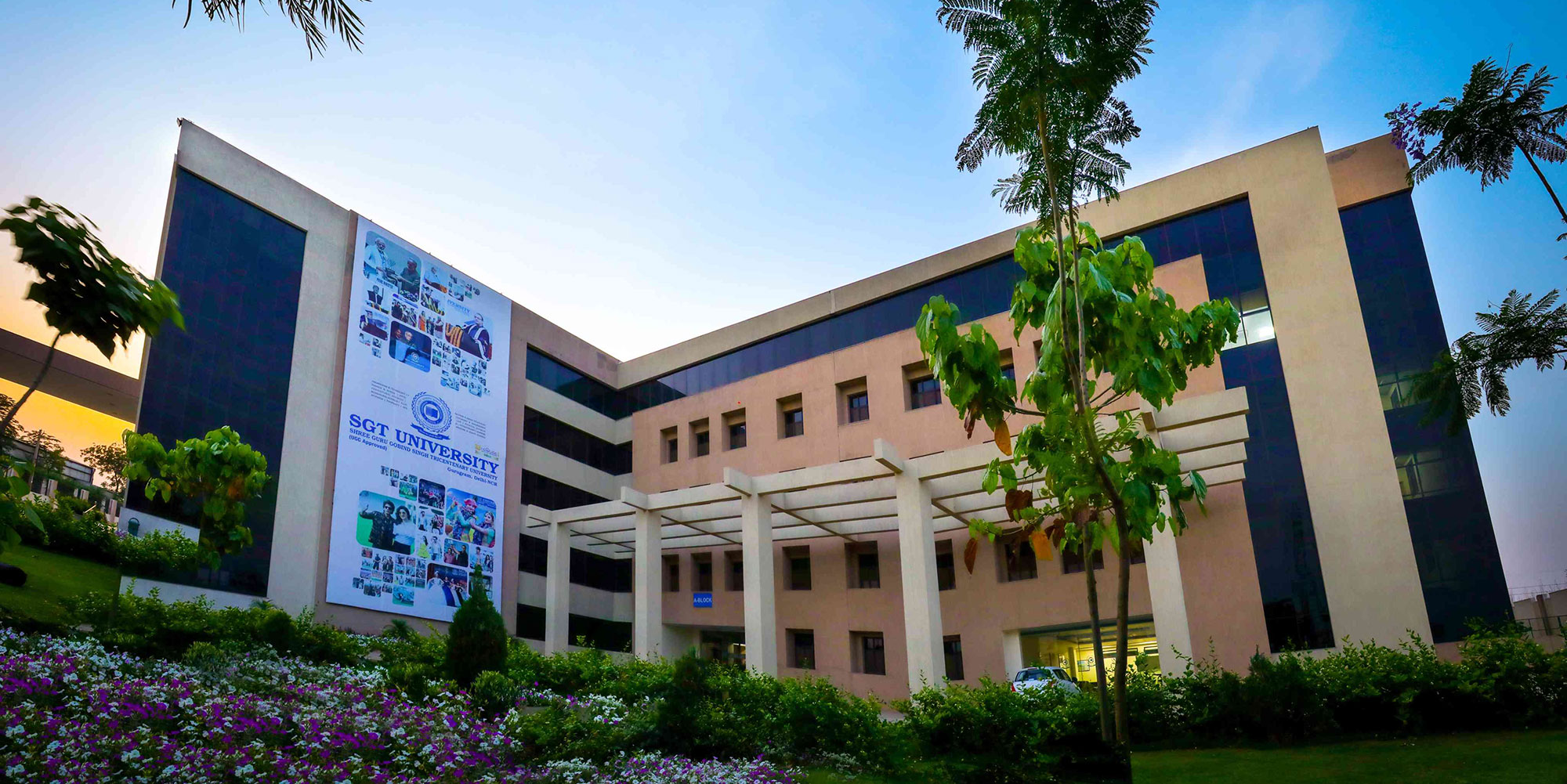
SGT University's School of Mass Communication & Media Technology (SMCF) has received the prestigious Best Media Institution Award for 2023, a testament to its dedication to providing top-notch education that prepares students for successful careers in the media and journalism landscape. The institute partners with experienced media professionals to provide students with hands-on training and real-world expertise. Key facilities and initiatives include:
- A sprawling 3600 sq. ft. Shooting Floor, one of North India's largest, offering comprehensive training in on-camera and production skills.
- SGT Times, an independent university-backed publication with its website and YouTube channel, allowing students to write and report on current issues.
- Industry Insights, a program providing students with opportunities to interact and collaborate with top media organizations, including TV9 Bharatvarsh, Zee News, and the BBC, equipping them with industry-ready skills.
Career Options After BJMC Course
- Journalist: Work with newspapers, magazines, or TV channels to report news and stories.
- Public Relations Officer: Manage the public image of organizations and handle communication with stakeholders.
- Content Writer/Editor: Craft engaging content for websites, blogs, and publications.
- Digital Marketing Specialist: Utilize digital platforms to promote products and services.
- Radio Jockey (RJ): Host entertaining and informative radio shows.
- Television Anchor: Present news or host TV shows.
- Advertising Professional: Create compelling ad campaigns for brands.
- Filmmaker/Video Producer: Work in the film and television industry as a director, producer, or editor.
- Photojournalist: Capture impactful images to tell stories.
- Social Media Manager: Manage and strategize social media presence for companies and individuals.
Variations in Courses of BJMC
A standard BJMC (Bachelor of Journalism and Mass Communication) course encompasses core subjects, including:
- Introduction to Journalism
- Mass Communication Theories
- Media Laws and Ethics
- Advertising and Public Relations
- Digital Media
- Photography and Videography
- Print Media
- Broadcast Journalism
The best of this course is provided by the SGT University.
SGT University (SGTU) focuses on these specific variations for better and enhanced learning with productive outcomes for the students:
- Specialization-Based BJMC Courses: Colleges offer specializations in areas like journalism, digital media, advertising, public relations, broadcasting, and film and entertainment.
- Integrated BJMC Programs: Universities offer integrated courses combining undergraduate and postgraduate studies, such as BJMC + MA (Mass Communication)
- Industry-Focused BJMC Courses: Programs designed to align with industry requirements, including practical workshops, internships, and courses on emerging topics.
CONCLUSION
Selecting a mass communication course can be a straightforward decision, especially when it's offered by a renowned institution like SGT University, boasting a prestigious NAAC A+ accreditation. With an impressive decade-long history of academic excellence and a thriving global alumni network of over 10,000 successful professionals, SGTU stands out as a premier destination for mass communication and other courses in India, solidifying its reputation as a leader in academic excellence.
Shaping the narrative, shaping the future: Be a part of it.
Mass Communication and Media Course FAQs
| Question | Answer |
|---|---|
| What are the course objectives? | Mass communication courses teach students about the ethics of journalism, how to present news, and the role of mass communication in society. |
| What are the admission requirements? | Admission requirements typically include passing 10+2 with a minimum aggregate score and English as a mandatory subject. |
| What are the career prospects? | Graduates of mass communication courses can pursue careers as journalists, editors, radio jockeys, directors, public relations specialists, social media managers, and more. |
| What are some of the specializations? | Some specializations in mass communication include print journalism, electronic journalism, digital journalism, advertising, and public relations. |
| What are some of the topics covered? | Mass communication courses cover topics such as communication skills, advertising, organizational behavior, consumer behavior, and brand building |
| What are the benefits of studying mass communication? | One of the key benefits of studying mass communication is the exposure to different disciplines such as journalism, advertising, public relations, and marketing. This allows students to explore their interests and develop specialized knowledge and skills in their chosen field. |
| What is the main point of mass communication? | Mass communication is accomplished via mass media—that is, technology capable of sending messages to great numbers of people, many of whom are unknown to the sender (e.g., television). The purposes of mass communication include entertainment, education, and political propaganda |