Standardized Testing in India: Evaluating Fairness of a Judging System
Updated on: July 31, 2023
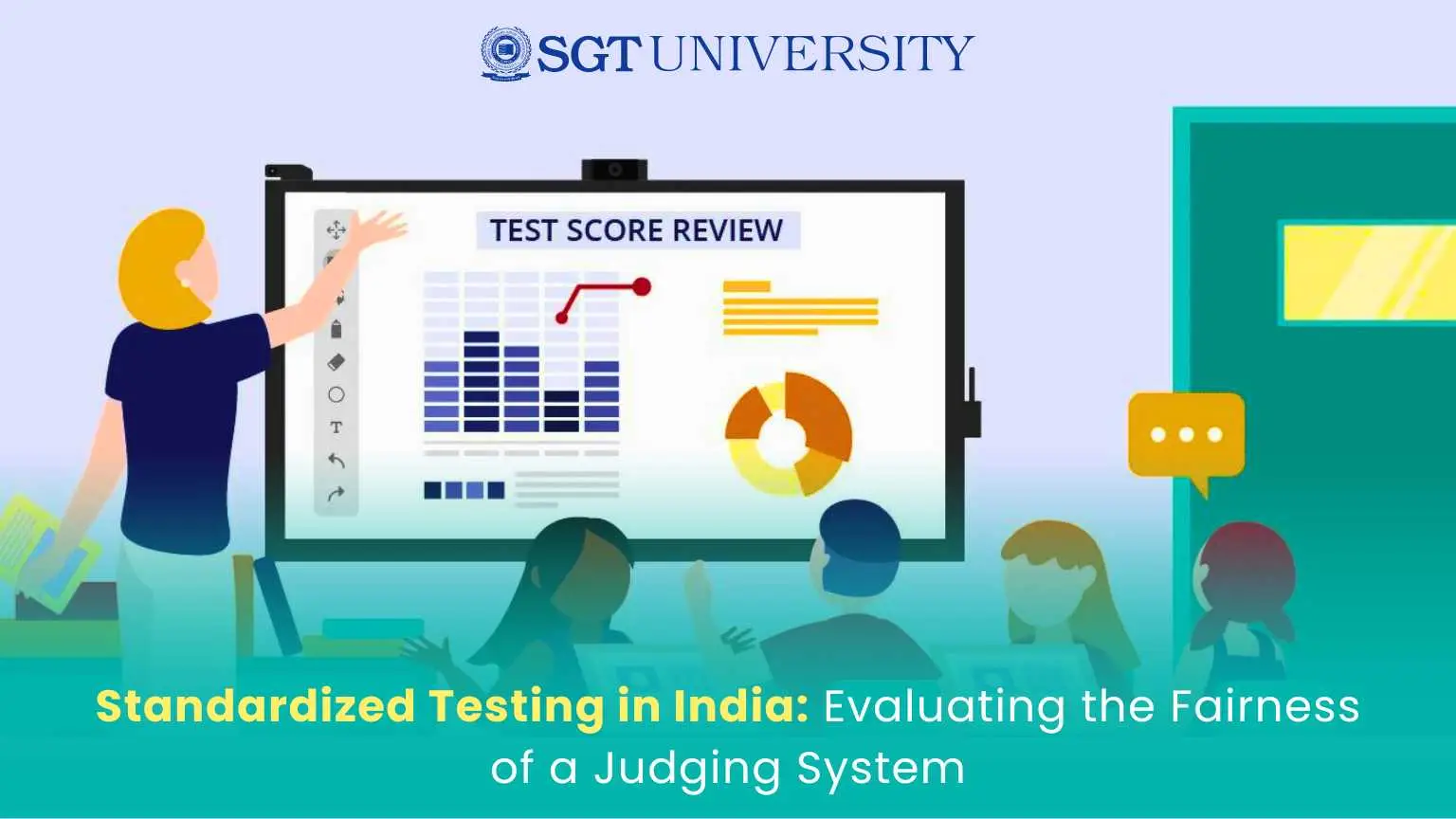
Explore the fairness of standardized testing in India's education system. Understand its merits in providing equality, identifying learning gaps, and college admissions, and delve into criticisms like socioeconomic disparities, rote learning, and mental health impacts. Discover a balanced approach for holistic student assessment.
Standardized testing has been an integral part of India’s education system for decades. These assessments aim to gauge a student’s knowledge, skills, and potential by presenting them with a set of predetermined questions.
Proponents argue that standardized testing provides a fair and unbiased method of evaluating students, while critics believe it perpetuates inequalities and hampers overall learning.
In this article, we will explore the concept of standardized testing in the context of India and assess its effectiveness in fairly judging students’ abilities.
1. Equality in Evaluation
One of the primary arguments in favor of standardized testing as a fair judging system is that it provides an equal platform for all students, regardless of their socioeconomic backgrounds. By using a uniform testing mechanism, students from diverse regions, economic classes, and educational institutions are evaluated on the same scale.
Consider a student from a rural area in Bihar and a student from a metropolitan city like Mumbai. Both students take the same standardized test, theoretically giving them an equal opportunity to showcase their knowledge and abilities.
2. Identifying Learning Gaps and Improving Education Quality
Standardized testing helps schools and policymakers find out how well students are learning and which subjects they need more help with. It’s like a tool that shows how good a school is at teaching different subjects.
For example, if lots of students in different schools in a state get low scores in math on the standardized test, it tells policymakers that there’s a problem with math education. They can then use this information to make decisions like providing extra training for teachers or using new and better ways to teach math to improve students’ learning.
In simple terms, standardized testing helps figure out what subjects students struggle with the most, so that schools and policymakers can fix those problems and make learning better for everyone.
3. College and University Admissions
In India, standardized tests like the Joint Entrance Examination (JEE) and the National Eligibility cum Entrance Test (NEET) play a pivotal role in college and university admissions. These tests are considered a fair criterion for admission as they provide a standardized basis to assess the academic capabilities of thousands of aspirants.
The JEE is a national-level entrance exam for engineering institutions. Regardless of the board or school a student studied in, the JEE score serves as a common parameter for engineering admissions, ensuring a level playing field for all applicants.
4. Objective Assessment of Skills
Supporters of standardized testing argue that these assessments provide an objective and quantifiable measure of a student’s skills and knowledge. The questions are designed to be unbiased and focused on core subjects, making the evaluation consistent across different test-takers.
For example, in a physics standardized test, all students are required to solve the same physics problems, demonstrating their understanding of key principles and concepts. This objective approach helps minimize potential biases and subjective grading.
5. Enhancing Accountability and Transparency
Standardized testing brings accountability to the education system by establishing a clear benchmark for students, teachers, and institutions. It also ensures transparency in the evaluation process, as the scoring criteria are predefined and applied uniformly to all test-takers.
For example, when the Central Board of Secondary Education (CBSE) conducts board exams, the question papers are set by a committee, and the marking scheme is shared with all examiners. This transparency reduces the likelihood of favoritism or unfair practices during evaluation.
Challenges and Criticisms
While standardized testing offers several advantages, there are notable criticisms that challenge its fairness as a judging system in India:
- Rote Learning Dominance: Some argue that standardized tests prioritize rote memorization over critical thinking and problem-solving skills, limiting the scope of a student’s holistic development.
- Socioeconomic Disparities: Despite the intention of providing an equal platform, students from disadvantaged backgrounds may face challenges related to access to resources and coaching, impacting their test performance.
- Limited Subject Assessment: Standardized tests often focus on a narrow range of subjects, neglecting other vital aspects of a student’s abilities, such as creativity, communication, and emotional intelligence.
- Exam Pressure and Mental Health: The intense pressure to perform well in standardized tests can have adverse effects on students’ mental health, leading to stress, anxiety, and even depression.
For example, in a standardized history test, students are required to memorize specific dates, names, and events without truly understanding the historical context or significance.
As a result, students might focus solely on memorizing facts instead of developing critical thinking skills, such as analyzing cause-and-effect relationships or evaluating historical perspectives.
For example, let’s consider a standardized math test. Students from well-funded schools in urban areas may have access to better resources, experienced teachers, and additional coaching facilities, which can improve their preparation for the test.
Conversely, students from economically disadvantaged backgrounds in rural areas may lack access to similar resources, putting them at a disadvantage and impacting their performance on the test.
For example, in a standardized language test, students are evaluated solely on their grammar and vocabulary knowledge, overlooking their creative writing skills and ability to express themselves effectively. This focus on specific language aspects may hinder the development of student’s communication and storytelling abilities, which are equally important in language learning.
Consider a nationwide standardized science test that determines admission to prestigious universities. The intense pressure to secure a high score and compete with thousands of other students can lead to heightened stress and anxiety levels.
Some students may even experience depression due to the fear of failure or the belief that their entire future hinges on this single test result. The constant worry about the test can significantly impact their mental well-being and overall academic performance.
Conclusion
Standardized testing, as a judging system in the context of India, has both advantages and challenges.
While standardized testing has its merits, it is essential to address the associated criticisms and work toward creating a more comprehensive and inclusive evaluation framework that encourages critical thinking, creativity, and holistic development.
By striking a balance between standardized testing and other forms of assessment: Project-Based Assessments, Peer Assessments, Open-Book Assessments, Formative Assessments, Practical Examinations, etc., India can foster a fairer and more equitable education system that caters to the diverse needs and aspirations of its students.