Engineering Admissions 2026 in India: Eligibility, Entrance Exams, Fees & How to Apply
Updated on: April 16, 2026

Engineering admission 2026 in India is the gateway for students aspiring to build careers in technology, innovation, and research. With the growing demand for skilled engineers across industries like IT, manufacturing, AI, and robotics, engineering remains one of the most sought-after career paths after 12th.
This comprehensive guide covers everything about engineering admissions 2026 including eligibility criteria, entrance exams like JEE, fees, admission process, and career opportunities. Students often compare engineering with courses like BCA Admissions 2026 before choosing a career in technology.
If you are planning to pursue BTech or BE in 2026, this guide will help you understand the entire admission journey step-by-step.
Students exploring technology careers often compare options like BCA Admission 2026 or pursue advanced programs like MCA Admission 2026.
Table of Contents
- What is Engineering Admission 2026?
- Why Choose Engineering in 2026?
- Engineering Admission Highlights
- Eligibility Criteria
- Top Entrance Exams
- Admission Process
- Top Engineering Branches
- Engineering Fees
- Career Opportunities
- Salary After Engineering
- How to Apply
- FAQs
What is Engineering Admission 2026?
Engineering admission 2026 refers to the process through which students enroll in undergraduate engineering programs such as BTech or BE offered by universities and institutes across India.
The admission process is based on entrance exams, merit, or direct admission depending on the institution. Engineering courses focus on applying scientific and mathematical principles to solve real-world problems.
Why Choose Engineering in 2026?
- High demand for engineers in IT, AI, robotics, and core industries
- Opportunities in global companies and startups
- Strong salary growth and career stability
- Wide range of specialisations
- Engineering also provides pathways to higher education such as MTech Admission 2026 or management programs like MBA Admission 2026.
Engineering Admission 2026 Highlights
- Course Duration: 4 Years
- Eligibility: 10+2 with PCM
- Admission Type: Entrance-based / Merit-based
- Average Fees: ₹1,00,000 – ₹5,00,000 per year
- Top Careers: Software Engineer, Mechanical Engineer, Civil Engineer
Engineering Eligibility Criteria 2026
- 10+2 with Physics, Chemistry, Mathematics
- Minimum 50–75% marks depending on college
- Valid entrance exam score (if applicable)
Top Engineering Entrance Exams 2026
- JEE Main
- JEE Advanced
- CUET UG
- State-level entrance exams
Many private universities also offer direct admission based on merit.
Engineering Admission Process 2026
- Choose preferred colleges
- Fill application form
- Appear for entrance exams
- Participate in counselling
- Confirm admission
Top Engineering Branches in 2026
- Computer Science Engineering
- Artificial Intelligence
- Mechanical Engineering
- Civil Engineering
- Electronics & Communication
Engineering Fees in India
- Government Colleges: ₹50,000 – ₹2,00,000
- Private Colleges: ₹2,00,000 – ₹5,00,000
Career Opportunities After Engineering
- Software Engineer
- Mechanical Engineer
- Data Scientist
- Civil Engineer
- AI Engineer
Students can also pursue higher education like MTech or shift to management through MBA Admission 2026.
Salary After Engineering
The average starting salary ranges from ₹4 LPA to ₹12 LPA depending on specialization and skills. Top graduates can earn significantly higher packages.
How to Apply for Engineering Admission 2026
- Visit university website: www.sgtuniversity.ac.in
- Register online
- Fill application form
- Upload documents
- Pay fee
- Submit application
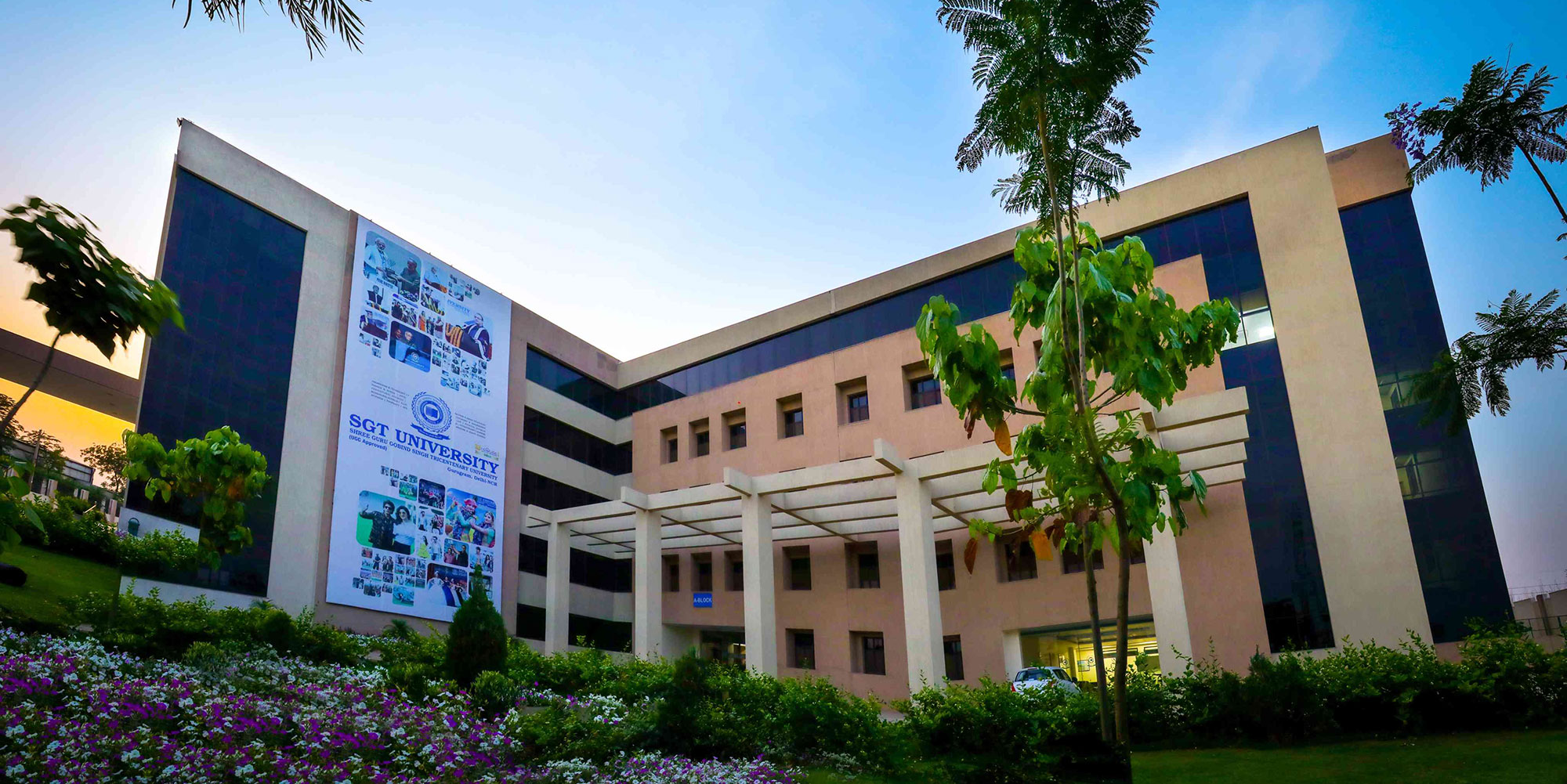
Start your engineering journey today. Apply for Engineering Admission 2026 at SGT University.
Related Admission Blogs
- BCA Admission 2026 in India
- MCA Admission 2026 in India
- MTech Admission 2026 in India
- MBA Admission 2026 in India
FAQs – Engineering Admission 2026
What is the eligibility for engineering admission 2026 in India?
Students must have completed 10+2 with Physics, Chemistry, and Mathematics (PCM) from a recognised board. Most
colleges require a minimum of 50–75% marks, depending on the institution. Some universities also require a valid
entrance exam score.
Which is the best entrance exam for engineering admission 2026?
JEE Main is the most popular entrance exam for engineering admission in India, accepted by top colleges and NITs.
For IITs, students must qualify JEE Advanced. Many universities also accept CUET or conduct their own entrance
exams.
What is the duration of an engineering course in India?
The duration of a Bachelor of Technology (BTech) or Bachelor of Engineering (BE) program is typically 4 years. The
course is divided into 8 semesters, including practical training, internships, and project work.
What is the fee for engineering admission 2026?
Engineering fees vary depending on the type of institution. Government colleges usually charge between ₹50,000 to
₹2,00,000 per year, while private colleges may charge ₹2,00,000 to ₹5,00,000 per year.
Which engineering branch is best in 2026?
Computer Science Engineering (CSE) is considered the best branch due to high demand and salary opportunities.
Emerging fields like Artificial Intelligence, Data Science, and Cyber Security are also gaining popularity among
students.
What is the average salary after engineering in India?
The average starting salary after engineering ranges from ₹4 LPA to ₹12 LPA depending on the branch, skills, and
college. Graduates from top institutions and high-demand fields like AI and software development can earn even
higher packages.
Can I get engineering admission without JEE?
Yes, many private universities offer engineering admission without JEE based on 12th marks or their own entrance
exams. Students can apply directly through university admission portals.
Are private colleges good for engineering admission?
Yes, many private engineering colleges offer quality education, modern infrastructure, and industry-oriented
programs. It is important to check accreditation, placements, and faculty before selecting a college.
What are the top career options after engineering?
Top career options include software engineer, data scientist, mechanical engineer, civil engineer, and AI engineer.
Students can also explore careers in research, entrepreneurship, or higher studies.
What is the scope of engineering in India in 2026?
Engineering has excellent scope in India due to growing demand in IT, manufacturing, infrastructure, and emerging
technologies like AI and robotics. Skilled engineers are highly valued in both domestic and global markets.
When do engineering admissions 2026 start in India?
Engineering admission processes usually begin between January and June 2026. Entrance exams like JEE Main are
conducted earlier, followed by counselling and admission rounds.
Can I do MBA after engineering?
Yes, engineering graduates can pursue MBA to move into management roles such as business analyst, project manager,
or corporate leadership positions. Many students choose this path for career growth.
Is engineering difficult to study?
Engineering can be challenging, especially for students who are not interested in mathematics or technical subjects.
However, with the right guidance, practice, and interest, it becomes manageable and rewarding.
Which is the best college for engineering in India?
The best engineering college depends on factors like ranking, faculty, infrastructure, and placement records.
Students should compare multiple institutions before making a decision.
Is Artificial Intelligence a good engineering branch?
Yes, Artificial Intelligence is one of the fastest-growing engineering branches with high demand in industries like
IT, automation, and data science. It offers excellent career opportunities and high salary potential.
Which engineering course has the highest salary in India?
Engineering branches like Computer Science Engineering (CSE), Artificial Intelligence, Data Science, and Software
Engineering generally offer the highest salary packages. Graduates from these fields can earn ₹6–20 LPA or more
depending on skills, experience, and company.
Which engineering branch is best for the future in India?
Engineering branches such as Artificial Intelligence, Data Science, Cyber Security, and Computer Science are
considered best for the future. These fields are growing rapidly due to digital transformation and offer excellent
long-term career opportunities.
Confused between engineering and IT courses? Explore our detailed guide on BCA Admission in India 2026 to choose the right career path.