A future responsibility: Green Computing and Sustainable Technology
Updated on: 30 March, 2026
Introduction
Do you know how quickly children are getting used to technology these days? It has been noticed that students are using their smartphones, tablets, and laptops at home and in the classroom to learn and communicate. Technology has undoubtedly made education more interactive, accessible, and efficient.
Technology, on the other hand, simplifies our lives but also raises serious environmental concerns. Every digital device we use consumes energy and eventually becomes electronic waste (e-waste). This raises an important question: Are we using technology in a way that will protect the environment our children inherit?
A Classroom Observation
The question I posed to students in one of my classes was very simple: What happens to the old computers and mobile phones when we stop using them? The responses were quite different. Some students believed the devices disappeared when not in use, while others assumed they were automatically recycled.
The mini-classroom task was used to introduce the concept of green computing and prompted students to consider the lifecycle of the devices they use daily.
What is Green computing?
Green computing refers to the responsible and environmentally friendly use of technology. It focuses on how electronic devices are designed, used, and disposed of in ways that minimize their environmental impact.
Green computing is not about stopping or reducing the use of technology, but about making it smarter, energy-efficient, and sustainable. Digital technologies can be eco-friendly through the use of energy-efficient gadgets and recycling methodologies.
Energy Consumption in the Digital Age
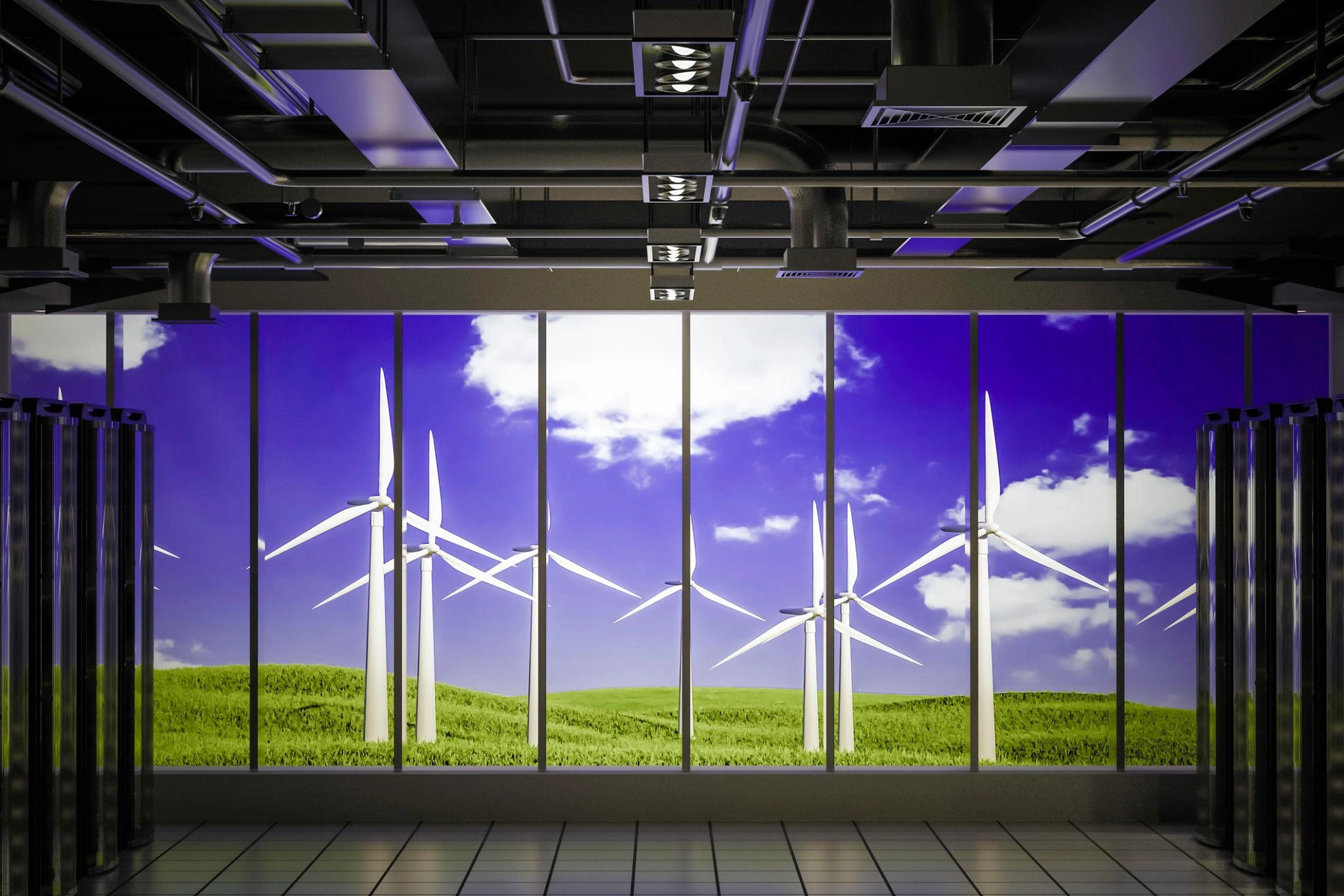
The emails, cloud storage, online classes, or online videos are those data centers that operate 24/7. These data centers consume massive amounts of electricity and require advanced cooling systems.
As the number of internet users grows, energy demand continues to rise. Green computing promotes energy-efficient hardware, the use of renewable energy sources, and optimized software in order to curtail this impact.
The Rising Challenge of E-Waste
Another major problem is the rapid increase in electronic waste. The majority of people upgrade their phones, laptops, or tablets as new models enter the market, leading to the disposal of older gadgets.
Unless these devices are recycled properly, they have the potential to release toxic elements that pollute soil and water. Some of the notable steps towards the reduction of this practice in the environment include:
- Recycle electronic devices responsibly
- Repair instead of replacing
- Reuse electronic devices whenever possible
Role of Education and Awareness
Schools can play a vital role in promoting sustainable technology practices. Paperless communication systems can be used by colleges and universities to encourage students to submit assignments through a digital platform and use energy-efficient computer labs
By raising students' awareness, institutions can help build a generation that understands the environmental impact of technology and adopts responsible digital habits.
Big Things in Small Packages
Simple everyday actions can contribute significantly to sustainability. These include:
- Switching off devices when not in use
- Minimizing unnecessary printing
- Verification Engineer
- Extending the lifespan of gadgets
- Recycling old electronics properly
Such practices will support the establishment of a greener, more sustainable digital culture, as planned and implemented among students and young users at a young age.
Conclusion
Green computing teaches us that technology should not be focused solely on innovation, but also on responsibility. As digital transformation continues to grow, one should ensure that technological advancement does not have adverse environmental implications.
By adopting sustainable technologies today, we can build a future that supports growth while protecting the environment for future generations.
Written By:
Ms. Juhi