Top Government & Private Jobs After B.Pharm
Updated on: April 22, 2026

Introduction
After completing B.Pharm (Bachelor of Pharmacy), students can explore a wide range of job opportunities in both government and private sectors. The pharmacy field plays a crucial role in the healthcare industry, as pharmacists are responsible for preparing and dispensing medicines, ensuring drug quality and safety, and guiding patients on proper medication use. With growing demand in hospitals, pharmaceutical companies, research labs, and regulatory departments, B.Pharm graduates have excellent career prospects and strong scope for professional growth in India and abroad.
Students can move ahead and work in hospitals, pharmaceutical companies, research labs, and government departments. In this article, we will discuss the best pharmacist jobs, government exams such as the drug inspector exam, and private-sector career options in simple language.
Table of Contents
- Introduction
- Government Jobs After B.Pharm
- Important Government Exams After B.Pharm
- Private Jobs After B.Pharm
- Top Recruiters
- Salary After B.Pharm
- Higher Studies Options
- Why Choose SGT University for Higher Studies
- Courses, Eligibility & Fee Structure
- Internship Opportunities
- Placement Support
- Conclusion
- FAQs
Government Jobs After B.Pharm
Government jobs are very popular because they offer job security, a good salary, and benefits. These jobs also offer additional perks, such as pensions, allowances, and healthcare benefits. Working in the government sector allows pharmacists to serve in hospitals, regulatory bodies, and public health departments. It also offers long-term career stability and opportunities for promotions based on experience and performance.
| Job Role | Work |
|---|---|
| Pharmacist | Dispenses medicines in hospitals and ensures correct usage of prescribed drugs |
| Drug Inspector | Check the quality, safety, and legality of medicines in the market |
| Government Hospital Pharmacist | Manages medicines, supplies drugs, and assists doctors |
| Research Officer | Conduct research and experiments in pharmaceutical and healthcare laboratories |
| Food Safety Officer (FSO) | Inspect food and drug quality to ensure public health and safety compliance |
Important Government Exams After B.Pharm
To get government jobs, students need to clear an exam, such as the Drug Inspector Exam. Drug Inspector recruitment is mainly through:
- State Public Service Commissions (State PSCs)
- State Food & Drug Administration (FDA)
- In some cases, the Union Public Service Commission (UPSC)
Note: UPSC may conduct recruitment depending on vacancies, but not always, and not regularly across all states.
Private Jobs After B.Pharm
The private sector also offers many good job opportunities with growth and a salary.
| Job Role | Work |
|---|---|
| Clinical Research Associate | Work in clinical trials |
| Medical Representative | Promote medicines |
| Quality Control Analyst | Check drug quality |
| Production Officer | Manufacture medicines |
| Pharmacist | Work in private hospitals |
| Regulatory Affairs Officer | Handle drug approvals |
Top Recruiters
Many top companies hire B.Pharm graduates.
| Company | Industry |
|---|---|
| Sun Pharma | Pharmaceutical Industry |
| Cipla | Pharmaceutical Industry |
| Dr. Reddy’s Laboratories | Pharmaceutical Industry |
| Lupin | Pharmaceutical Industry |
| Aurobindo Pharma | Pharmaceutical Industry |
| Pfizer | Pharmaceutical & Healthcare Industry |
These companies provide good salary packages and career growth.
Salary After B.Pharm
Salary depends on job role, experience, and skills.
| Job Role | Average Salary |
|---|---|
| Pharmacist | ₹2-4 LPA |
| Medical Representative | ₹3–5 LPA |
| Quality Analyst | ₹4-6 LPA |
| Drug Inspector | ₹6-10 LPA |
| Clinical Research Associate | ₹4-7 LPA |
With experience, salary increases significantly.
Higher Studies Options
Students can also go for higher studies after B.Pharm.
| Course | Benefit |
|---|---|
| M.Pharm | Specialization |
| MBA (Pharma Management) | Management roles |
| Pharm.D | Clinical practices |
| M.Sc Clinical Research | Research career |
Higher education improves job prospects and salary.
Why Choose SGT University for Higher Studies
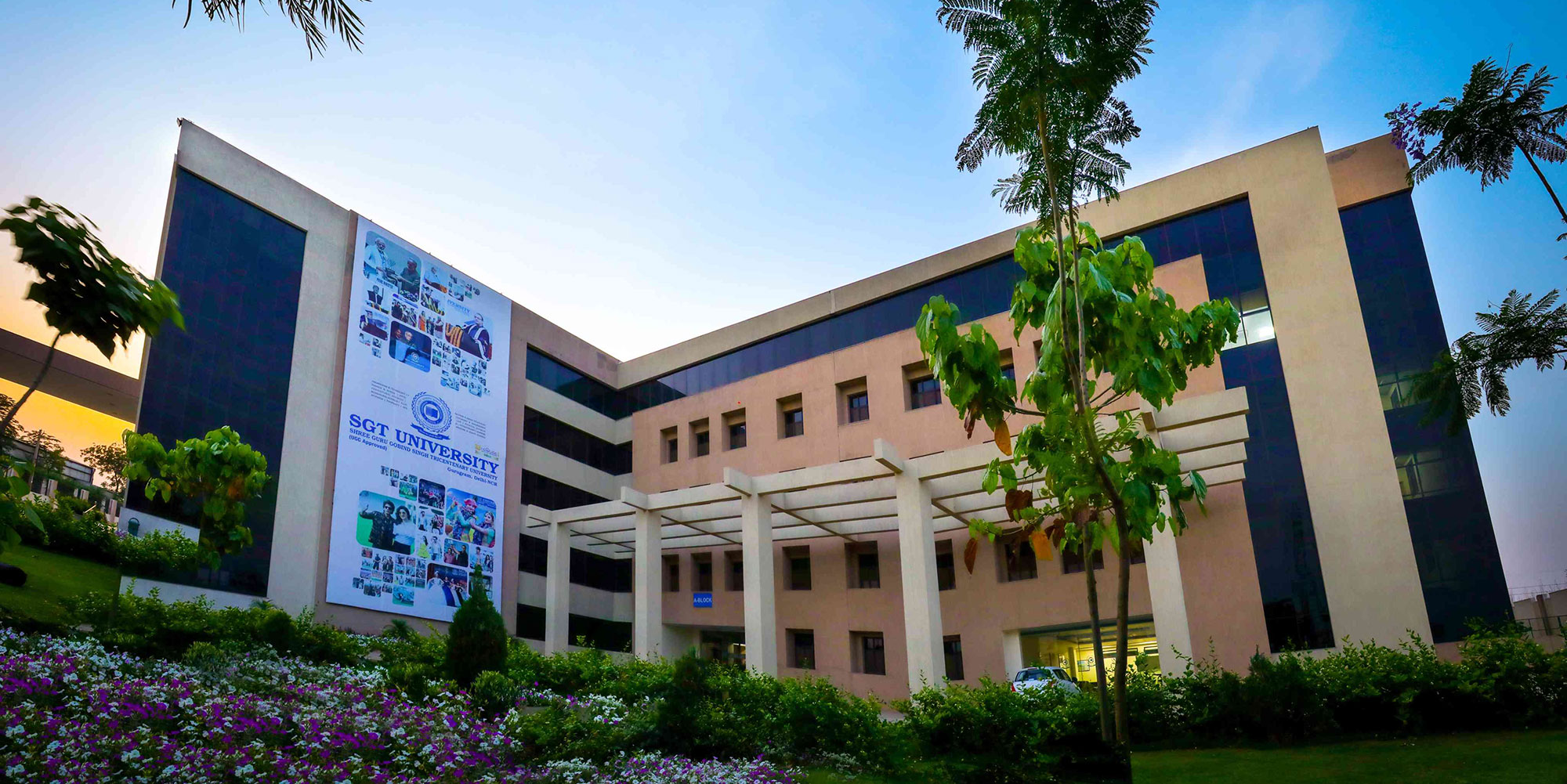
SGT University is one of the best private universities within Delhi NCR, offering pharmacy and healthcare-related courses. The program offers several key advantages that enhance both learning and career readiness. It is typically supported by modern laboratories and advanced research facilities, allowing students to gain hands-on experience with the latest tools and technologies. The presence of experienced and knowledgeable faculty ensures strong academic guidance and mentorship throughout the course. The curriculum is designed to be industry-oriented, keeping students aligned with professional requirements. Along with theoretical knowledge, there is a strong focus on practical learning and research exposure, helping students build real-world skills. Additionally, students benefit from valuable internship opportunities that provide industry experience, and the institution offers strong placement support to help them secure promising career opportunities after graduation.
Courses, Eligibility & Fee Structure
| Course Name | Eligibility | Fee Structure (Approx.) |
|---|---|---|
| Diploma in Pharmacy |
|
₹1.2 LPA |
| Bachelor of Pharmacy |
|
₹2.4 LPA |
| Bachelor of Pharmacy (Practice) |
|
₹1 LPA |
| Master of Pharmacy (Pharmaceutics) |
|
₹2.25 LPA |
| Master of Pharmacy (Pharmacology) |
|
₹2 LPA |
| Master of Pharmacy (Pharmacy Practice) |
|
₹1.8 LPA |
| Master of Pharmacy (Pharmacy Quality Assurance) |
|
₹2.25 LPA |
| Master of Pharmacy (Pharmacognosy) |
|
₹2.25 LPA |
| Master of Pharmacy (Pharmaceutical Chemistry) |
|
₹1.8 LPA |
| Master of Pharmacy (Pharmaceutical Regulatory Affairs) |
|
₹2.25 LPA |
| Doctor of Pharmacy (Pharm.D.) |
|
₹3.5 LPA |
| Doctor of Pharmacy (Pharm. D.) (Post Baccalaureate) |
|
₹3.5 LPA |
| Doctor of Philosophy (Pharmacy) |
|
₹1.5 LPA |
Internship Opportunities
Students get internship opportunities in:
- Top Pharmaceutical companies
- SGT Hospital
- Research labs
- Drug manufacturing units
Internships help students gain practical experience and industry exposure.
Conclusion
After B.Pharm, students have many job opportunities in both the government and private sectors. Government jobs like Pharmacist, Drug Inspector, and Research Officer provide stability and benefits, while private jobs offer growth and a higher salary. Higher studies, such as M.Pharm, Pharm.D, and MBA in Pharma Management, further enhance career opportunities. Universities like SGT University offer high-quality education, internships, and placement support, helping students build strong careers in the pharmacy field.
FAQs
1. What jobs can I get after B.Pharm?
You can work as a Pharmacist, Drug Inspector, Medical Representative, Quality Analyst, or Clinical Research Associate.
2. Which government job is best after B.Pharm?
Drug Inspector and Government Pharmacist are among the best jobs.
3. Is the Drug Inspector exam tough?
Yes, it is competitive, but it can be cleared with proper preparation.
4. What is the salary after B.Pharm?
Salary ranges from ₹2–10 LPA depending on the job and experience.
5. Can I go for higher studies after B.Pharm?
Yes, you can pursue M.Pharm, MBA, Pharm.D, or MSc in Clinical Research.