B.Tech Admissions in India 2026: Eligibility, Process, Fees & How to Apply
Updated on: March 02, 2026
Choosing a bachelor's degree in technology is the first step towards securing a career in engineering and technology. B.Tech. Admission in India is the standardized procedure through which undergraduate students apply for entry into universities and institutes of higher education.
As the admission period comes closer, students and their parents are curious about the current structure and requirements of the B.Tech Admissions process . This guide provides a complete overview of the B.Tech Admissions process, eligibility criteria, entrance exams, fees, specializations, and tips to choose the right university, helping you plan your path effectively.
TABLE OF CONTENTS
- What Is B.Tech Admissions?
- B.Tech Eligibility Criteria in India
- Step-by-Step B.Tech Admissions Process
- B.Tech Admissions Through Entrance Exams
- Popular B.Tech Programs & Specializations
- High-Paying B.Tech Specializations
- B.Tech Fees in India
- B.Tech Admissions in Delhi NCR & Gurgaon
- How to Choose the Right University
- Conclusion
- FAQs
What Does B.Tech Admissions Mean?
B.Tech Admissions is the process through which students apply, qualify, and enroll in undergraduate engineering programs. Understanding the steps, eligibility requirements, and documentation requirements is crucial to securing a seat at top institutions .
Following the rules of entrance exams, merit lists, and counseling schedules ensures a smooth admission process and reduces common errors.
B. Tech Admission Eligibility Criteria in India
The eligibility criteria for B.Tech Admissions in India are largely similar across universities, with minor variations based on program structure and specialization.
General Eligibility Requirements
- 10+2 with Physics, Chemistry, Mathematics, and Biology (PCMB) as compulsory subjects.
- Minimum 45% marks (40% for reserved category candidates).
- Candidates must have passed from a recognized board.
Additional Requirements (If Applicable)
- The university may offer bridge courses in subjects such as Mathematics, Physics, and Engineering for students from diverse backgrounds.
- Some programs may require entrance tests, such as the KNET (Kalvium National Entrance Test).
*Some Universities offer lateral entry in B.Tech courses, provided you meet particular entry requirements.
Speak with an admissions counselor or start your application process online for more details.
How to Get Admission in B. Tech in India – Step-by-Step Process
The B.Tech Admissions in India can vary slightly depending on the university or college you are applying to. However, here is a general guide for the admission process for B.Tech courses in India
- Research Institutes
Explore universities offering B.Tech in your preferred field. Compare accreditation, faculty, infrastructure, specializations, and placements. - Check eligibility
Ensure you have completed 10+2 with Physics and Mathematics as compulsory subjects along with one optional subject, meeting the required minimum aggregate marks. - Fill out the application form
Complete the institute’s application form and select your preferred specialization. - Submit Documents and Fee
Attach the required documents, including mark sheets and the entrance exam scorecards, and pay the application fee. - Merit List and Counselling
Applications are reviewed, and a merit list is prepared. Shortlisted candidates attend counseling based on rank and seat availability. - Confirm Admission
Complete document verification and fee payment to secure your seat in the B.Tech program.
B. Tech Admission Through Entrance Exams
In India, admission to engineering programs largely depends on performance in entrance examinations that assess knowledge of Physics, Chemistry, and Mathematics, as well as problem-solving skills.
Popular B.Tech Entrance Exams in India
- The Joint Entrance Examination - Main (JEE Main) by NTA
- The Joint Entrance Examination – Advanced (JEE- Advanced) for IIT institutes
- State-level entrance exams such as MHT CET (Maharashtra), KCET (Karnataka), AP EAMCET/EAPCET (Andhra Pradesh), and WBJEE (West Bengal).
However, entrance exams are not mandatory for B.Tech. admission in all universities. Many private and deemed universities also conduct their own entrance exams, which can include interviews for B.Tech Admissionss and may consider Class 12 board marks as part of the selection process. After understanding the admission process, students should explore the best B. Tech colleges in India are ranked based on their rankings and placements.
Types of B. Tech Programs Available
To suit the varied needs of the students, there are multiple B.Tech programs offered with varying specializations:
B.Tech CSE
Focus on core computer science subjects like programming, data structures, algorithms, databases, and software development.
B.Tech CSE (AI and Future Technologies)
Emphasis in Computer Science emphasizing Artificial Intelligence, machine learning, deep learning, and future technologies.
B.Tech CSE Software Product Engineering (Work Integrated Program)
Centered on Software Product Engineering, covering software design, development, testing, and product lifecycle skills.
B.Tech Mechanical Engineering
Emphasis on design, analysis, manufacturing, and maintenance of mechanical systems
B.Tech Civil Engineering
Focus on planning, designing, constructing, and maintaining infrastructure
B.Tech Electronics and Communication Engineering
Centered on Electronics and Communication Engineering
Which B. Tech Specialization Is Highly Paid?
The entry salary range for a B.Tech graduate is 3- 15 LPA, which can increase with specialization type and experience.
High-Paying B. Tech Specializations in India
- AI & Machine Learning
- Data Science
- Cybersecurity
- Web Development
- Augmented Reality & Virtual Reality
B.Tech Admissions Fees in India
The admission fees for B. Tech programs in India vary based on several factors, including the type of university, infrastructure, reputation, and placement assistance.
Average B. Tech (4 years) Fees in India:
- Government universities: ₹2–6 lakh
- IITs - ₹8–10 lakh
- Private universities: ₹4–10 lakh
Many universities provide merit-based scholarships, financial assistance, and fee concessions for eligible students. This ensures that B. Tech admission remains accessible to students from diverse backgrounds.
B.Tech Admissions in Gurgaon and Delhi NCR
When choosing a B.Tech program, students must consider the location of the university. Metropolitan areas like Delhi NCR and Gurgaon are often preferred for their close proximity, industry connections, corporate presence, and greater placement opportunities.
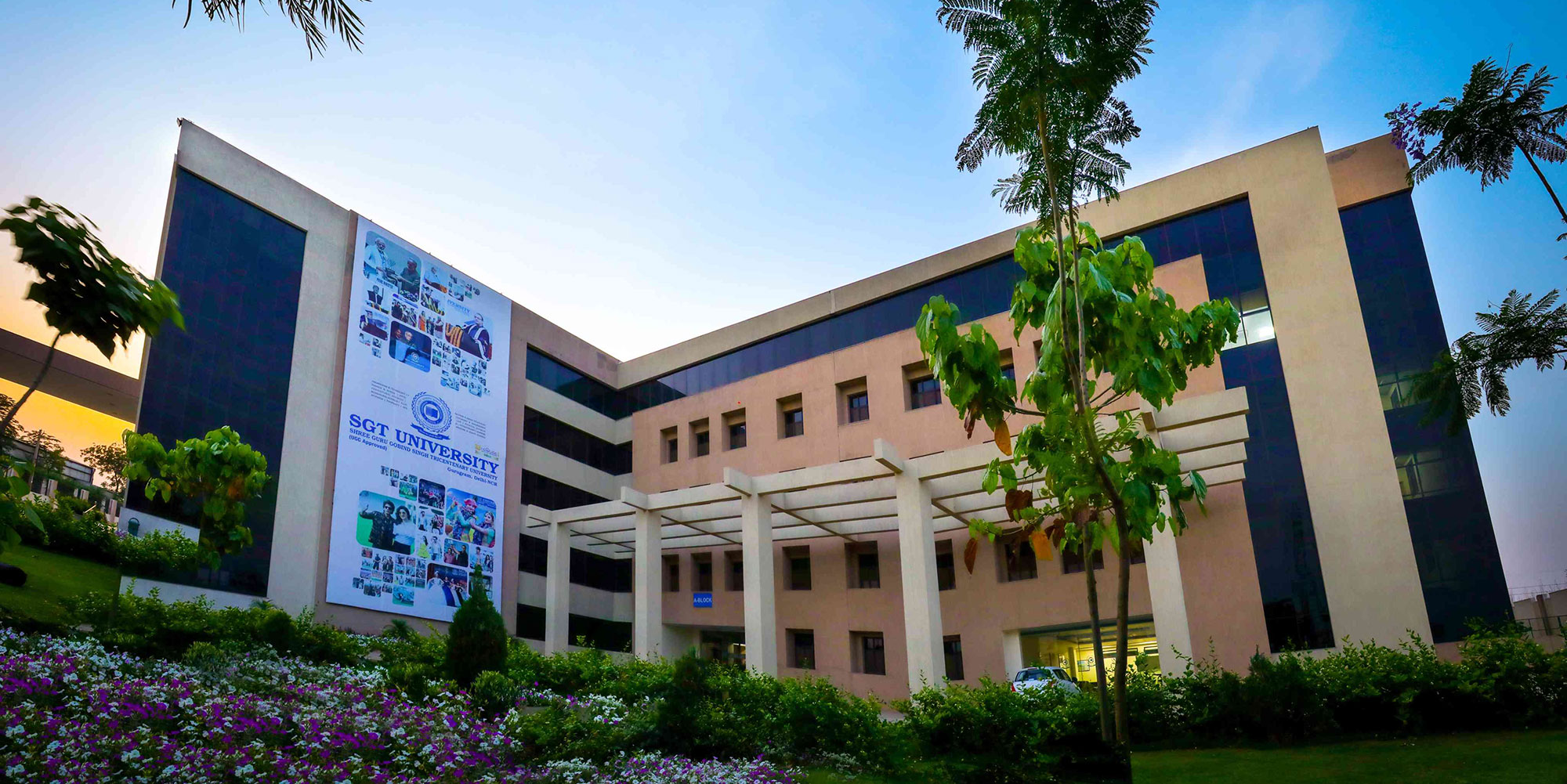
Institutions such as SGT University, Gurugram, benefit from their strategic location in the NCR region, providing tech opportunities with industry giants and moving beyond the required procedure as per the standard guidelines.
How to Choose the Right University for B.Tech Admissions?
Students must evaluate the following factors attentively to select the appropriate university for B. Tech admission:
- Accreditation and regulatory approvals
- Curriculum relevance to industry needs
- Faculty experience and teaching methodology
- Assistance with internships and placements
- Global and Experiential Opportunities
Universities in education-focused regions such as Delhi NCR, including SGT University, offer academic environments that support both skill development and professional growth.
Related Blogs:
Why
Choose Engineering After 12th
Why
Choose B. Tech. in Mechanical Engineering
Conclusion
A B.Tech Admissions marks the first step toward a career in engineering and technology. Understanding the admissions process for a B.Tech program is a student's primary priority. When considering the location of universities/institutions, prefer cities like Delhi NCR and Gurugram. Top-rated institutions such as SGT University in Gurugram offer structured academic programs with practical industry exposure and placements at reputable companies, offering competitive packages.
FAQs
Q1: What is the best engineering course?
B.Tech in Computer Science & Engineering (CSE) is the most preferred due to its wide career opportunities.
Q2: What can I pursue after B.Tech?
Students can apply for jobs or continue studies through M.Tech or pursue an MBA for management and leadership roles. If you are planning higher studies, read our detailed guide on MBA Admissions in India to understand eligibility, entrance exams, and application process..
Q3: Is an entrance exam mandatory for B.Tech?
No, exams like JEE Main are not compulsory for all universities. Many private colleges offer direct admission based on Class 12 scores or management quota seats.
Q4: What is the duration of B.Tech?
The B.Tech program is 4 years long in all universities.