
Is BDS Worth It in 2027? Fees, Salary, Career Scope and Alternatives
Updated on: October 12, 2026
Introduction
Every year, a large number of NEET candidates face the same question: take the BDS seat on offer, or wait and try again for MBBS? Parents and seniors give opposite advice, and most online answers are either sales pitches or warnings. This guide sets out the facts so you can decide for yourself.
Quick answer: BDS is worth it if you want to work with your hands, enjoy treating patients directly, and are ready to spend several years building skill, specialisation or a practice. It is a poor choice if you are taking it only because you missed MBBS, or if you expect a high salary immediately after graduation. India now has about 3.77 lakh registered dentists and roughly 28,000 new BDS seats every year, so the profession rewards students who plan their path, such as an MDS, a government post, or a practice in an underserved area, rather than those who drift into it.
The course takes five years, including a one-year compulsory internship, and admission is only through NEET UG. Below, you will find the numbers, salaries by career path, a BDS vs MBBS comparison, honest pros and cons, and alternatives if BDS is not the right fit.
Table of Contents
- BDS at a Glance
- Is BDS Worth It? Who It Suits and Who Should Think Twice
- The Numbers Every BDS Aspirant Should Know
- BDS Salary in India: What Dentists Earn by Career Path
- Career Options After BDS
- BDS vs MBBS: Which Should You Choose?
- Pros and Cons of BDS
- BDS Fees: What to Budget For
- Alternatives to BDS After NEET
- How to Choose a Dental College
- BDS at SGT University
- Key Takeaways
- FAQs
BDS at a Glance
| Particular | Details |
|---|---|
| Full form | Bachelor of Dental Surgery |
| Duration | 5 years: 4 years of study plus a 1-year compulsory rotatory internship |
| Eligibility | 10+2 with Physics, Chemistry, Biology and English, and a qualifying NEET UG score |
| Admission | Only through NEET UG and the counselling that follows (All India Quota and state counselling) |
| Regulator | National Dental Commission (replaced the Dental Council of India on 19 March 2026) |
| BDS seats in India | About 28,000 a year across 329 colleges, of which 274 are private |
| Registered dentists | About 3.77 lakh (2025) |
| Main next step | MDS through NEET MDS (about 6,500 seats a year), or practice, government service or non-clinical roles |
| Who it suits | Students who want hands-on clinical work and are prepared to build a career over 5 to 10 years |
Sources: seat and college figures from Careers360 (citing DCI data, March 2026); registered dentists from the Observer Research Foundation (November 2025); regulator change reported by Outlook (March 2026).
Is BDS Worth It? Who It Suits and Who Should Think Twice
Whether BDS is worth it depends far more on you than on the degree. The same course can lead to a satisfying, well-paid career or to years of low pay and frustration. These questions help separate the two.
| BDS is likely to suit you if… | You should think twice if… |
|---|---|
| You enjoy precise, hands-on work and are comfortable with clinical procedures | You are choosing BDS only because your NEET rank was not enough for MBBS |
| You are willing to keep learning after graduation, through an MDS, certificate courses or clinical experience | You expect a high salary in your first two or three years |
| You are open to working in a smaller town or underserved area where dentists are scarce | You want to work only in a crowded metro and cannot invest in skills or a clinic |
| Your family can support you through the early years while you build experience | The fees would need a large loan with no plan for repayment |
| You like the idea of running your own practice one day | You dislike repetitive fine-motor work or close patient contact |
If most of the left column describes you, BDS can be a rewarding choice. If the right column sounds more like you, read the alternatives section before you lock in a seat.
The Numbers Every BDS Aspirant Should Know
Three numbers explain most of what you will hear about dentistry in India: how many dentists the country trains, how many already practise, and how few go on to specialise.
| Indicator | Figure | What it means for you |
|---|---|---|
| BDS seats per year | About 28,000 (329 colleges; around 86% of seats in private colleges) | Plenty of seats, so admission is easier than MBBS, but many graduates enter the market every year |
| Registered dentists | About 3.77 lakh | Competition is intense in big cities, especially for fresh graduates |
| Dentist-to-population ratio | About 1 dentist per 3,900 people, against the WHO benchmark of 1 per 7,500 for developing countries | Overall supply is high, but rural areas remain underserved |
| MDS seats per year | About 6,500 (around 1,550 All India Quota plus about 4,950 state quota seats in 2026) | Only about one MDS seat for every four BDS seats, so plan early if you want to specialise |
Sources: Careers360, BDS seats 2026; ORF, Dentistry in India (2025); Careers360, NEET MDS seat matrix 2026. The MDS total adds the All India and state quota figures reported by Careers360.
The Observer Research Foundation notes that dental colleges are concentrated in some states and cities, which is why urban dentists face heavy competition while many rural and semi-urban areas still lack one. For a new graduate, this is the single most useful fact: where you practise affects your income as much as what you studied.
BDS Salary in India: What Dentists Earn by Career Path
There is no official national salary survey for dentists in India, so treat every figure below as an indication rather than a promise. Earnings depend on city, clinic, skills and, for your own practice, on location and investment.
| Career path | Typical earnings | Notes |
|---|---|---|
| Associate dentist in a private clinic (fresher) | About ₹20,000 to ₹40,000 a month (reported) | The most common first job. Pay is often a fixed amount plus a share of treatment fees |
| Associate dentist with 3 to 5 years' experience | About ₹50,000 to ₹70,000 a month (reported) | Rises faster with skills such as endodontics, implants or aligners |
| Own clinic | Varies widely; no reliable average | Depends on location, patient base and set-up cost. Many dentists take a few years to break even |
| Government dental surgeon (Group A, central) | Pay Level 10 of the 7th Pay Commission matrix starts at a basic pay of ₹56,100 a month, plus allowances | Selection through UPSC or other recruitment; state government posts follow state pay scales |
| MDS specialist | Generally higher than BDS; varies by specialisation | Orthodontics, oral surgery, endodontics and prosthodontics are in steady demand |
| Academic (lecturer) | Set by the college and the regulator's norms | Teaching posts in dental colleges usually require an MDS |
Private-practice ranges are as reported by Physics Wallah (May 2026), which does not cite a survey; the central pay level is from the 7th Central Pay Commission pay matrix. Check current recruitment notifications for exact government pay.
The pattern is clear: BDS income starts low and grows with skill, specialisation and reputation. Students who treat the first three to five years as an investment period are far more satisfied than those who compare their first salary with friends in other fields.
Career Options After BDS
1. Clinical practice
Most BDS graduates start as associates in established clinics and later open their own practice or join a group practice. Adding skills through certificate courses in areas such as implantology, endodontics, aesthetic dentistry or aligners can raise earnings well before an MDS.
2. MDS and specialisation
An MDS takes three years and is admitted through NEET MDS. Specialisations include Orthodontics, Oral and Maxillofacial Surgery, Conservative Dentistry and Endodontics, Prosthodontics, Periodontology, Paediatric Dentistry, Oral Medicine and Radiology, Oral Pathology and Public Health Dentistry. For what lies beyond, see our guide on options after MDS in oral and maxillofacial surgery and the NEET PG and MDS admission guide.
3. Government service
Dental surgeon posts are advertised by UPSC, state public service commissions, state health departments, the Employees' State Insurance Corporation and the Railways. The Army Dental Corps also recruits dental graduates; check the current notification for its eligibility rules, which have used NEET MDS scores.
4. Non-clinical roles
- Public health: a Master of Public Health (MPH) opens roles with government programmes, NGOs and international health organisations.
- Hospital and healthcare management: an MBA in hospital administration leads to operations and management roles in hospitals and dental chains.
- Industry: dental product companies, clinical research organisations, health insurance and medical writing all hire dental graduates.
- Teaching and research: academic careers usually require an MDS; research roles may also suit those with a PhD.
5. Working abroad
An Indian BDS is not automatically recognised abroad. Most countries require you to pass their own licensing examinations or assessments, and some, such as the United States and Canada, require further study or an equivalency process. Gulf countries license dentists through their own health authority exams. Always check the official dental regulator of the country you are targeting before you commit time and money.
BDS vs MBBS: Which Should You Choose?
This is the most common dilemma after NEET results. Both are professional degrees that let you use the title 'Dr', but they lead to different professions.
| Factor | BDS | MBBS |
|---|---|---|
| What you become | Dental surgeon; treats teeth, gums, jaws and the oral cavity | Medical doctor; treats the whole body |
| Duration | 5 years including a 1-year internship | 5.5 years including a 1-year internship |
| Entrance | NEET UG | NEET UG |
| NEET rank needed | Lower than for MBBS in the same college type | Among the most competitive ranks in NEET |
| Regulator | National Dental Commission | National Medical Commission |
| Work style | Procedure-based, mostly scheduled outpatient work | Wide range: outpatient, emergency, wards, night duties |
| Specialisation | MDS (about 6,500 seats) | MD/MS through NEET PG |
| Can open own practice after graduating | Yes, a dental clinic | Yes, as a general practitioner |
| Can practise general medicine | No | Yes |
Our guides on career options beyond MBBS after NEET and healthcare careers without MBBS compare the wider set of choices.
Pros and Cons of BDS
| Pros | Cons |
|---|---|
| A respected clinical profession with the title 'Dr' | Low starting salaries in big cities because of oversupply |
| Mostly scheduled outpatient work, with fewer emergencies and night shifts than medicine | Setting up your own clinic needs significant investment |
| You can open your own practice without a postgraduate degree | Limited MDS seats make specialisation highly competitive |
| Clear demand in rural and semi-urban areas | Physically demanding: long hours of fine work can strain your back, neck and eyes |
| Many routes to grow: MDS, certificate courses, public health, industry, government | Private college fees can be high relative to early earnings |
BDS Fees: What to Budget For
BDS fees vary more than almost any other cost in this decision. Government dental colleges charge far less than private ones, and private fees differ widely from state to state and college to college. Instead of relying on averages, look at the official fee for each college you are considering.
- Check the counselling fee schedule. State counselling authorities and the Medical Counselling Committee publish the fee for each participating college. These are the figures that apply to you.
- Add every recurring cost. Include hostel, mess, instruments and materials, examination fees and the internship year, not just tuition.
- Ask about scholarships and instalments. Many universities offer merit or need-based scholarships and allow fees to be paid in instalments.
- Plan the first years after graduation. If you will take a loan, work out repayments against a realistic starting salary, not the earnings of an established dentist.
The National Dental Commission has been given a role in setting fee guidelines for private dental colleges, so check for any new rules before you pay. For help with funding, see our guide on how to get college scholarships.
Alternatives to BDS After NEET
If BDS does not fit your interests or budget, NEET-stream students have several strong options. Each leads to a distinct profession, so choose based on the work you want to do every day.
| Course | Duration | Best for students who… |
|---|---|---|
| Reattempt NEET for MBBS | One extra preparation year | Are certain they want to practise medicine |
| BAMS (Ayurveda) | 5.5 years including internship | Want a clinical AYUSH career; admission through NEET |
| B.Sc Nursing | 4 years | Want strong job demand in India and abroad |
| Bachelor of Physiotherapy (BPT) | 4.5 years including internship | Prefer rehabilitation, sports and musculoskeletal care |
| B.Pharm | 4 years | Are interested in medicines, industry or research |
| Allied health and paramedical courses | Typically 3 to 4 years | Want to work in diagnostics, operation theatres, radiology or emergency care |
Our list of paramedical courses after 12th and the PCM vs PCB guide cover these options in more detail.
How to Choose a Dental College
If you decide on BDS, the college matters, because clinical skill comes from the number and variety of patients you treat. Ask every college these questions before you choose it in counselling.
- Approval: Is the college and its current BDS intake approved by the regulator? Check the regulator's official list, not just the college website.
- Patient flow: How many patients does the dental hospital see each day, and how many will you personally treat during clinical years?
- Clinical infrastructure: How many dental chairs are there for students, and are there facilities such as digital radiography, CBCT and implant units?
- Faculty: Are all nine dental specialities staffed by qualified MDS faculty?
- Hospital access: Is there an attached multi-speciality hospital, which gives exposure to medically complex patients?
- Postgraduate programmes: Does the college offer MDS? A postgraduate environment usually means stronger clinical teaching.
- Results and outcomes: What share of recent graduates cleared NEET MDS or found clinical jobs within a year?
- Total cost: What is the full five-year cost, including hostel and instruments?
BDS at SGT University
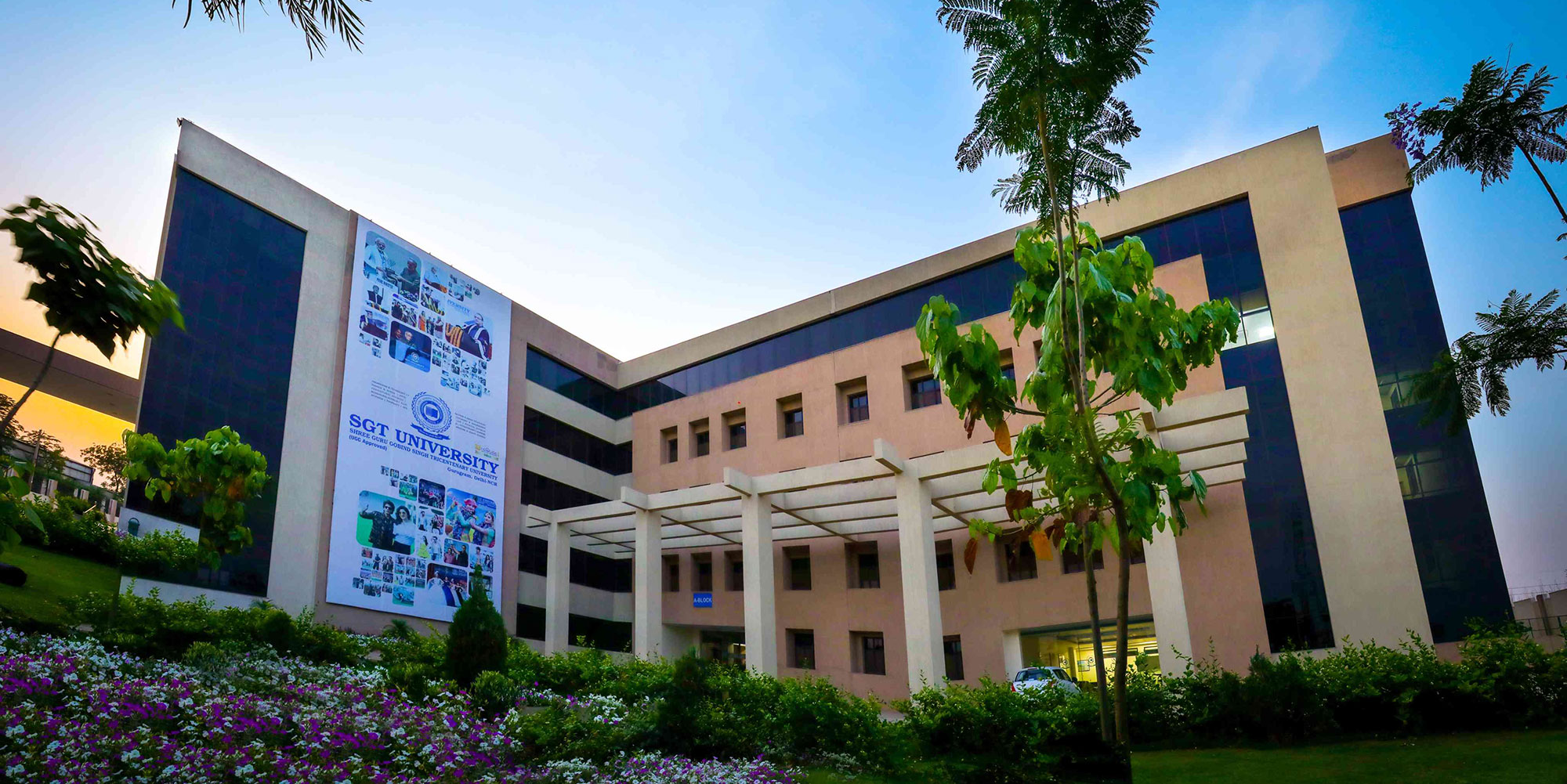
SGT University, Gurugram, is a NAAC A+ accredited private university whose Faculty of Dental Sciences offers the BDS programme along with MDS programmes in several specialities. Admission to BDS is through NEET UG counselling.
Dental students at SGT University have been active in research: they secured 11 ICMR Short Term Studentship projects, a national research programme for undergraduate students. Student teams have also shown dental innovations at Synergy, the university's annual tech fest.
These pages cover the next steps:
- Faculty of Dental Sciences: programmes, departments and facilities
- Dental blogs: guides on BDS, MDS and dental careers
- Admission procedure at SGT University: the online and offline steps
- Dental sciences: scope, careers and syllabus
- UG admission in Delhi NCR: fees, dates and how to apply
Key Takeaways
- BDS is worth it for students who want hands-on clinical work and are ready to build skills or a practice over several years. It is not a shortcut to quick earnings.
- The course takes five years, including a one-year internship, and admission is only through NEET UG.
- India has about 3.77 lakh registered dentists and roughly 28,000 new BDS seats a year, so big-city competition is intense while many rural areas still lack dentists.
- Only about 6,500 MDS seats are available each year, so plan early if you want to specialise.
- Choose BDS because you want to be a dentist, not because you missed MBBS. If you are unsure, compare the alternatives first.
- Judge dental colleges on regulatory approval, patient flow, clinical facilities and total cost.
We will update this guide when NEET UG 2027 and the National Dental Commission release new information.
FAQs
Q1. Is BDS a good career in India in 2027?
It can be, if you enjoy hands-on clinical work and are prepared to build skills and a
patient base over several years. India now has about 3.77 lakh registered dentists and
around 28,000 new BDS seats a year, so starting salaries in cities are modest and
competition is high. Students who plan for an MDS, a government post or their own practice
in an underserved area usually find it more rewarding than those who expect a high salary
straight after graduation.
Q2. How many years is the BDS course?
BDS takes five years: four years of academic study followed by a one-year compulsory
rotatory internship.
Q3. Is NEET required for BDS admission?
Yes. Admission to BDS in India is through NEET UG and the counselling that follows, for both
government and private colleges. You also need 10+2 with Physics, Chemistry, Biology and
English.
Q4. What is the salary of a BDS graduate in India?
Salaries vary widely by city and path. Fresh graduates working as associate dentists in
private clinics are commonly reported to earn about ₹20,000 to ₹40,000 a month, rising to
roughly ₹50,000 to ₹70,000 after three to five years. Government Group A dental surgeon
posts are placed on the 7th Pay Commission matrix, where Pay Level 10 starts at a basic pay
of ₹56,100 a month before allowances.
Q5. BDS or MBBS: which should I choose if I can't get MBBS?
Choose BDS only if you genuinely want to practise dentistry, not as a consolation prize. BDS
is a separate profession with its own skills and career path. If your heart is set on
medicine, many students take a year to reattempt NEET instead. If you are open to healthcare
more broadly, compare BDS with allied health, nursing, physiotherapy and pharmacy before you
decide.
Q6. Can a BDS graduate become a doctor (MBBS-level physician)?
No. A BDS graduate is a dental surgeon who can use the title 'Dr' and practise dentistry,
but cannot practise general medicine. Moving into medicine would require taking NEET UG
again and completing MBBS.
Q7. Is MDS necessary after BDS?
No, many dentists practise successfully with a BDS. An MDS is needed to work as a
specialist, such as an orthodontist or oral surgeon, and to teach in dental colleges. There
are only about 6,500 MDS seats a year against roughly 28,000 BDS seats, so NEET MDS is
highly competitive.
Q8. Can I work abroad after BDS?
Yes, but an Indian BDS is not automatically accepted abroad. Most countries require you to
pass their own licensing examinations or assessments, and some require additional study.
Check the requirements of the dental regulator in the country you are considering before you
plan your finances around it.
Q9. Who regulates dental education in India now?
The National Dental Commission, constituted on 19 March 2026 under the National Dental
Commission Act, 2023, replaced the Dental Council of India. Before you take admission,
confirm that the college and its seat intake are approved by the current regulator.
Q10. Does SGT University offer BDS?
Yes. SGT University's Faculty of Dental Sciences in Gurugram offers BDS as well as MDS
programmes. Admission to BDS is through NEET UG counselling. Details of the process are on
the SGT University admission procedure page.